Aosta, Italy
Introduction
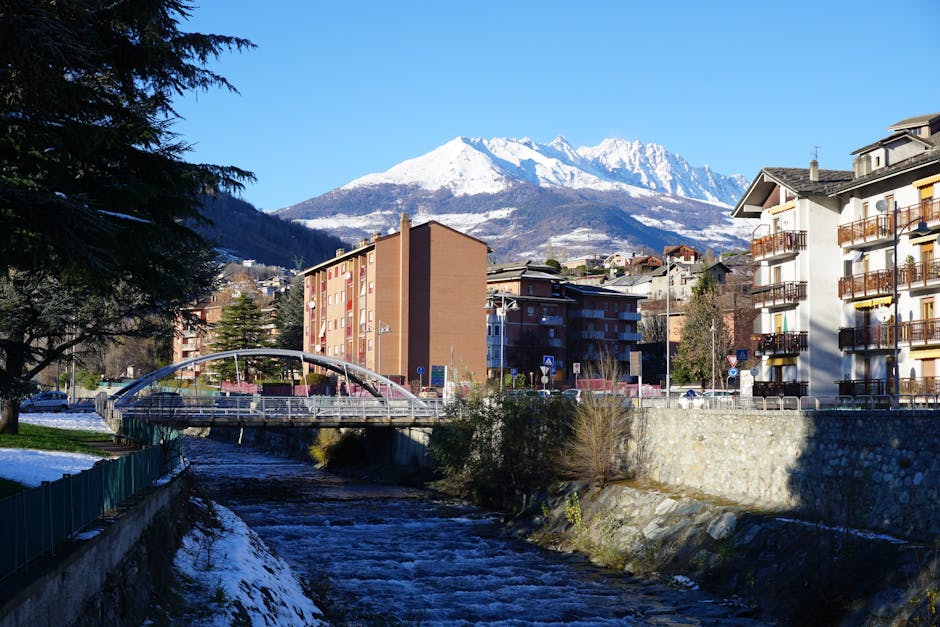
Aosta is a charming town located in the heart of the Italian Alps, in the region of Valle d'Aosta. With its rich history, stunning natural beauty, and unique cultural heritage, Aosta is a must-visit destination for any traveler. From ancient Roman ruins to modern-day ski resorts, Aosta has something to offer for everyone.
History
Aosta has a long and fascinating history, dating back to the Roman era. The town was founded in 25 BC by the Roman Emperor Augustus, and it quickly became an important center for trade and commerce. Over the centuries, Aosta has been influenced by various cultures, including the Celts, the Lombards, and the French, each leaving their mark on the town's architecture, language, and traditions.
Top Attractions
Some of the top attractions in Aosta include the Roman Theatre, the Arch of Augustus, the Cathedral of Santa Maria Assunta, and the Aosta Valley Museum. Visitors can also explore the town's charming streets and squares, lined with historic buildings, cafes, and shops.
Local Food
Aosta is renowned for its delicious local cuisine, which reflects the town's unique cultural heritage. Some popular dishes include polenta, carbonada (a beef stew), and fontina cheese. Visitors can also sample some of the region's excellent wines, such as the Blanc de Morgex et de La Salle.
Hotels
Aosta offers a wide range of accommodations to suit all budgets and preferences. From luxury hotels to family-run B&Bs, visitors can choose from a variety of options, many of which offer stunning views of the surrounding mountains.
Travel Tips
Visitors to Aosta should be prepared for variable weather conditions, especially in the winter months. It's also a good idea to learn some basic Italian phrases, as not everyone in Aosta speaks English. Additionally, visitors should respect the town's unique cultural heritage and traditions, especially when visiting historic sites and attending local events.
Contact us to plan a tour, hotel, car rental or services in Aosta
Best Time to Visit
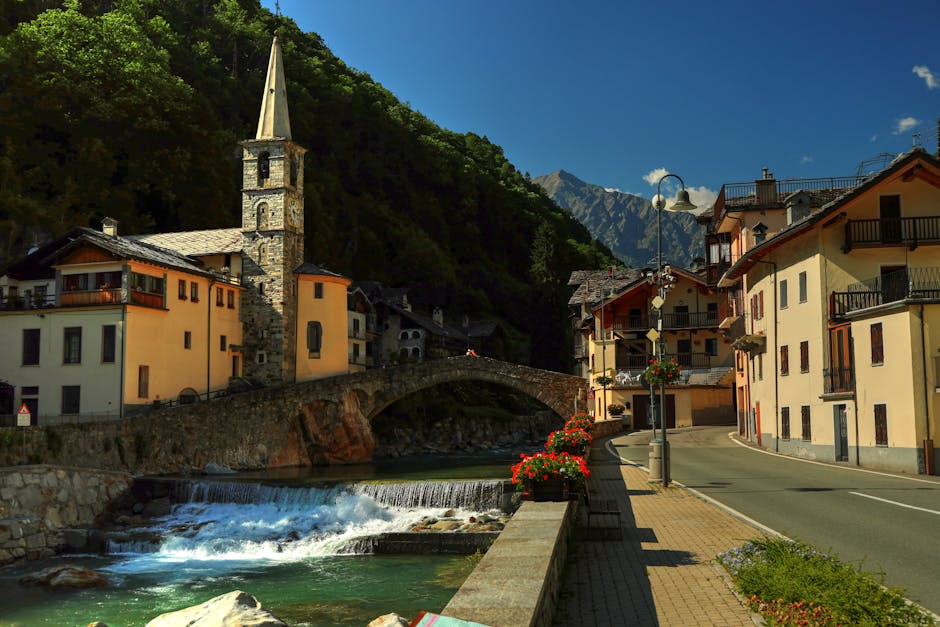
The best time to visit Aosta depends on your preferences and interests. Spring (April-May) is a great time to see the town's beautiful gardens and flowers in bloom, while summer (June-August) is ideal for hiking and outdoor activities. Autumn (September-October) is a good time to visit for wine tastings and harvest festivals, while winter (December-March) is perfect for skiing and snowboarding.
Crowd levels are generally lower in the spring and autumn, while prices tend to be higher in the summer and winter months. Recommended months to visit Aosta are May, June, September, and October.
Half Day Tour Plan
Morning plan: Start at the Roman Theatre, then visit the Arch of Augustus and the Cathedral of Santa Maria Assunta. End your tour with a walk through the town's charming streets and a visit to a local cafe.
Afternoon plan: Visit the Aosta Valley Museum, then explore the town's historic center and shop for some local specialties. End your tour with a wine tasting at a local winery.
Full Day Tour Plan
Morning: Start at the Roman Theatre, then visit the Arch of Augustus and the Cathedral of Santa Maria Assunta. Take a break for lunch at a local restaurant, where you can try some of the region's specialties.
Afternoon: Visit the Aosta Valley Museum, then explore the town's historic center and shop for some local specialties. End your tour with a wine tasting at a local winery and a walk through the town's charming streets.
Evening: Enjoy a traditional dinner at a local restaurant, then attend a cultural event or concert, if available.
3 Day Itinerary
Day 1: Explore the historic core of Aosta, including the Roman Theatre, the Arch of Augustus, and the Cathedral of Santa Maria Assunta. Visit the town's charming streets and shops, and enjoy a traditional dinner at a local restaurant.
Day 2: Visit the Aosta Valley Museum, then explore the town's cultural scene, including its many galleries and exhibitions. Enjoy lunch at a local restaurant, then attend a wine tasting at a local winery.
Day 3: Take a day trip to the nearby Gran Paradiso National Park, where you can hike and enjoy the stunning natural beauty of the Italian Alps. Alternatively, visit the nearby town of Courmayeur, where you can shop and enjoy a relaxing day in the mountains.
Distances from Major Cities
| City | Distance (km) | Travel Time (train/car) |
|---|---|---|
| Rome | 580 | 5 hours 30 minutes / 6 hours |
| Milan | 220 | 2 hours 30 minutes / 3 hours |
| Florence | 470 | 4 hours 30 minutes / 5 hours |
| Venice | 520 | 5 hours / 6 hours |
| Naples | 730 | 7 hours / 8 hours |
| Bologna | 430 | 4 hours / 5 hours |
Nearest Airport
The nearest airport to Aosta is the Turin Airport, which is located approximately 120 km from the town center. Visitors can take a taxi, bus, or train from the airport to Aosta. The train journey takes around 2 hours, while the bus journey takes around 2 hours 30 minutes.
Culture & Lifestyle
Aosta has a unique cultural heritage, reflecting its history and location in the Italian Alps. Visitors can experience the town's vibrant culture by attending local festivals and events, such as the Aosta Valley Festival, which takes place in July and August.
Local traditions include the celebration of the town's patron saint, Saint John the Baptist, on June 24th. Visitors can also learn about the town's history and culture by visiting the Aosta Valley Museum and other local museums and galleries.
Nearby Places
Some popular nearby destinations include the Gran Paradiso National Park, the town of Courmayeur, and the city of Turin. Visitors can also explore the nearby valleys and mountains, such as the Valtournenche and the Matterhorn.
FAQ
Q: What is the best time to visit Aosta?
A: The best time to visit Aosta depends on your preferences and interests. Spring and autumn are generally the best times to visit, with mild weather and fewer crowds.
Q: How many days do I need to visit Aosta?
A: We recommend spending at least 3-4 days in Aosta to explore the town and its surroundings.
Q: Is Aosta expensive?
A: Aosta can be expensive, especially in the peak season. However, there are many affordable options for accommodations and dining.
Q: Is Aosta safe for tourists?
A: Yes, Aosta is generally a safe town for tourists. However, visitors should take normal precautions to protect themselves and their belongings.
Contact us to plan a tour, hotel, car rental or services in Aosta