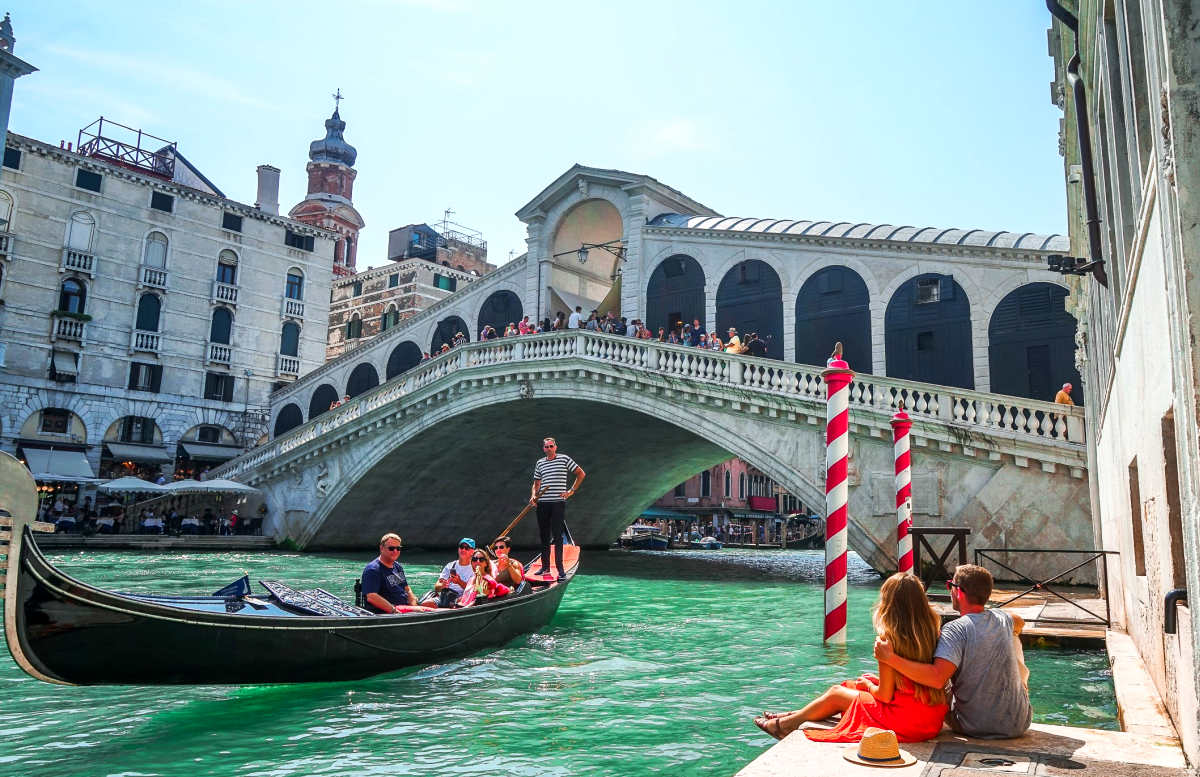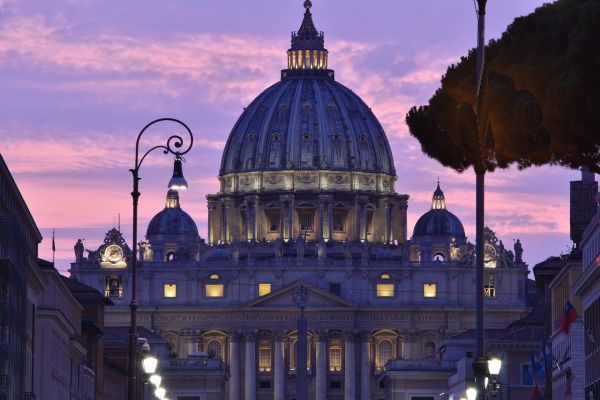
Friuli-Venezia Giulia, Italy
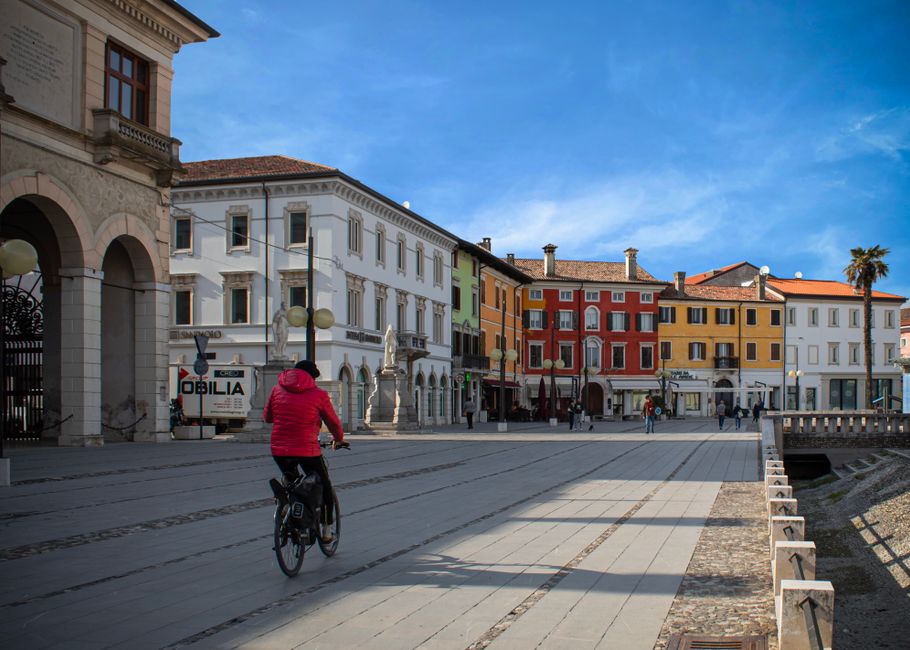
Introduction to Friuli-Venezia Giulia
Friuli-Venezia Giulia is a hidden gem located in the northeastern part of Italy, bordering Slovenia and Austria. This autonomous region is known for its stunning mountains, beautiful coastlines, and rich cultural heritage. Visitors can explore the historic city of Trieste, enjoy the beautiful beaches of Grado, or hike in the Julian Alps. With its unique blend of Italian, Slovenian, and Austrian influences, Friuli-Venezia Giulia is a must-visit destination for any traveler.
History of Friuli-Venezia Giulia
Friuli-Venezia Giulia has a long and complex history, with various empires and kingdoms vying for control over the region. The Romans, Byzantines, and Holy Roman Empire all left their mark on the region, which is reflected in its architecture, art, and culture. In the 20th century, the region was heavily influenced by Italy, Austria, and Slovenia, resulting in a unique cultural identity that is still celebrated today.
Top Attractions in Friuli-Venezia Giulia
Some of the top attractions in Friuli-Venezia Giulia include the historic city of Trieste, the beautiful beaches of Grado, and the stunning Julian Alps. Visitors can also explore the charming towns of Udine and Pordenone, or visit the famous wine region of Collio. Other must-see attractions include the castle of San Giusto, the cathedral of San Giusto, and the museum of modern art in Udine.
Local Food in Friuli-Venezia Giulia
Friuli-Venezia Giulia is known for its delicious local cuisine, which reflects the region's unique cultural heritage. Some popular dishes include frico (a type of cheese and potato dish), goulash (a hearty meat stew), and sanpelegrino (a type of sweet pastry). Visitors can also sample some of the region's excellent wines, including the famous Collio wine. Be sure to try some of the local specialties, such as prosciutto di San Daniele or formaggio di montagna.
Hotels in Friuli-Venezia Giulia
Friuli-Venezia Giulia has a wide range of hotels to suit all budgets and preferences. From luxury hotels in Trieste to family-run bed and breakfasts in the countryside, visitors can choose from a variety of options. Some popular hotels include the Grand Hotel Duchi d'Aosta in Trieste, the Hotel Savoia in Udine, and the Hotel Villa Chiara in Grado.
Travel Tips for Friuli-Venezia Giulia
When traveling to Friuli-Venezia Giulia, be sure to pack comfortable shoes and clothing, as the region is known for its beautiful mountains and scenic hiking trails. Visitors should also be prepared for variable weather, as the region can experience sudden rain showers and cool evenings. Additionally, be sure to try some of the local cuisine and wine, and to respect the region's unique cultural heritage.
Contact us to plan a tour, hotel, car rental or services in Friuli-Venezia Giulia
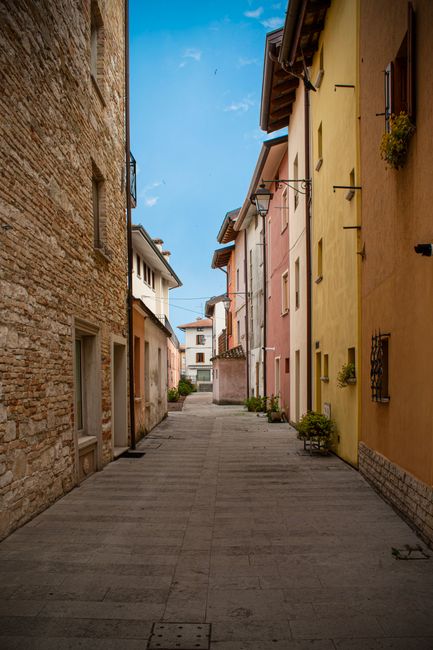
Best Time to Visit Friuli-Venezia Giulia
The best time to visit Friuli-Venezia Giulia depends on your preferences and interests. Spring (April-May) and autumn (September-October) are the best times to visit, with mild temperatures and fewer crowds. Summer (June-August) can be hot and crowded, while winter (December-February) can be cold and snowy. The region experiences a moderate climate, with average temperatures ranging from 10°C in winter to 25°C in summer. Crowd levels are generally lower in the spring and autumn, while prices tend to be higher in the summer months. Recommended months to visit include April, May, September, and October.
Half Day Tour Plan
A half-day tour plan in Friuli-Venezia Giulia could include a morning visit to the historic city of Trieste, including the castle of San Giusto and the cathedral of San Giusto. From there, visitors can walk to the nearby market square and try some of the local cuisine. In the afternoon, visitors can explore the beautiful beaches of Grado or take a hike in the nearby Julian Alps. A suggested itinerary could be:
- 9:00 am: Visit the castle of San Giusto in Trieste
- 11:00 am: Explore the market square and try some local cuisine
- 1:00 pm: Visit the beaches of Grado or take a hike in the Julian Alps
Full Day Tour Plan
A full-day tour plan in Friuli-Venezia Giulia could include a morning visit to the historic city of Udine, including the castle of Udine and the museum of modern art. From there, visitors can take a lunch break and try some of the local cuisine. In the afternoon, visitors can explore the beautiful town of Pordenone or take a hike in the nearby Julian Alps. In the evening, visitors can enjoy a traditional dinner and try some of the local wine. A suggested itinerary could be:
- 9:00 am: Visit the castle of Udine and the museum of modern art
- 12:00 pm: Take a lunch break and try some local cuisine
- 2:00 pm: Explore the town of Pordenone or take a hike in the Julian Alps
- 6:00 pm: Enjoy a traditional dinner and try some local wine
3 Day Itinerary
A 3-day itinerary in Friuli-Venezia Giulia could include:
Day 1: Historic core / old town
- 9:00 am: Visit the historic city of Trieste, including the castle of San Giusto and the cathedral of San Giusto
- 12:00 pm: Take a lunch break and try some local cuisine
- 2:00 pm: Explore the market square and try some local specialties
Day 2: Museums + culture + food
- 9:00 am: Visit the museum of modern art in Udine
- 11:00 am: Explore the castle of Udine and the nearby town
- 1:00 pm: Take a lunch break and try some local cuisine
- 3:00 pm: Visit a local winery and try some of the region's famous wine
Day 3: Nearby attractions or relaxing day
- 9:00 am: Take a hike in the nearby Julian Alps
- 12:00 pm: Take a lunch break and try some local cuisine
- 2:00 pm: Visit the beautiful beaches of Grado or relax in a local spa
Distances from Major Cities
| City | Distance (km) | Travel Time (train/car) |
|---|---|---|
| Rome | 550 | 5 hours (train), 6 hours (car) |
| Milan | 350 | 3 hours (train), 4 hours (car) |
| Florence | 400 | 4 hours (train), 5 hours (car) |
| Venice | 150 | 1.5 hours (train), 2 hours (car) |
| Naples | 700 | 6 hours (train), 7 hours (car) |
| Bologna | 250 | 2.5 hours (train), 3 hours (car) |
Nearest Airport
The nearest airport to Friuli-Venezia Giulia is Trieste Airport (TRS), which is located approximately 30 km from the city center of Trieste. Visitors can take a taxi or bus from the airport to the city center, or rent a car and drive. The airport offers flights to major European cities, including Rome, Milan, and Vienna.
Culture & Lifestyle
Friuli-Venezia Giulia has a unique cultural identity that reflects its history and geography. The region is known for its strong sense of community and tradition, with many festivals and events taking place throughout the year. Visitors can experience the local culture by attending a festival, trying some of the local cuisine, or visiting a local market. Some tips for visitors include:
- Respect the local customs and traditions
- Learn some basic Italian phrases, such as "grazie" (thank you) and "per favore" (please)
- Try some of the local cuisine and wine
- Attend a local festival or event
Nearby Places
Some nearby places to visit include:
- Slovenia: Located just across the border, Slovenia offers a unique blend of Alpine and Mediterranean cultures.
- Austria: The Austrian city of Vienna is just a few hours away, and offers a wealth of cultural and historical attractions.
- Croatia: The Croatian city of Rijeka is located just a few hours away, and offers a unique blend of Italian and Slavic cultures.
- Venice: The famous city of Venice is located just a few hours away, and offers a wealth of cultural and historical attractions.
FAQ
Some frequently asked questions about Friuli-Venezia Giulia include:
- Best time to visit: The best time to visit Friuli-Venezia Giulia is in the spring (April-May) and autumn (September-October), when the weather is mild and the crowds are smaller.
- How many days needed: Visitors should plan to spend at least 3-4 days in Friuli-Venezia Giulia to experience the region's unique culture and attractions.
- Is it expensive: Friuli-Venezia Giulia is generally less expensive than other parts of Italy, with a wide range of accommodation and dining options available to suit all budgets.
- Is it safe for tourists: Yes, Friuli-Venezia Giulia is generally a safe region for tourists, with low crime rates and a strong sense of community.
Contact us to plan a tour, hotel, car rental or services in Friuli-Venezia Giulia