Mantua (Mantova), Italy

Introduction
Mantua, also known as Mantova, is a charming city located in the Lombardy region of Italy. This picturesque city is surrounded by three artificial lakes and is known for its rich history, stunning architecture, and vibrant cultural scene. With its unique blend of medieval and Renaissance styles, Mantua is a must-visit destination for anyone interested in history, art, and culture.
History
Mantua has a long and storied history, dating back to the Roman Empire. The city was an important center of trade and commerce, and its strategic location made it a prized possession for many ruling powers throughout the centuries. From the Gonzaga family to the Austrian Empire, Mantua has been shaped by a diverse range of cultures and influences, leaving behind a rich legacy of architectural and artistic treasures.
Top Attractions
Some of the top attractions in Mantua include the Palazzo Ducale, a stunning Renaissance palace that was once the residence of the Gonzaga family; the Basilica of Sant'Andrea, a beautiful church that features an impressive dome designed by Leon Battista Alberti; and the Teatro Bibiena, a historic theater that hosts a variety of cultural events and performances throughout the year. Visitors can also explore the city's many museums, galleries, and historical landmarks, such as the Museo Civico and the Castello di San Giorgio.
Local Food
Mantua is famous for its delicious local cuisine, which features a range of traditional dishes such as tortelli di zucca, a type of pumpkin-filled pasta; mostarda, a sweet and spicy condiment made from candied fruit and mustard; and salami mantovano, a type of cured meat that is typically served as an antipasto. Be sure to try some of the local wines, such as the Lombardy region's famous Franciacorta, which pairs perfectly with the city's rich and flavorful cuisine.
Hotels
Mantua has a wide range of hotels to suit all budgets and preferences, from luxurious boutique hotels to cozy bed and breakfasts. Some of the top-rated hotels in the city include the Hotel Casa Poli, the Hotel Palazzo Castiglioni, and the Bed and Breakfast La Cervetta. Visitors can also consider staying in one of the city's many agriturismos, which offer a unique and authentic rural experience.
Travel Tips
When traveling to Mantua, be sure to plan ahead and book your accommodations and tours in advance, especially during peak season. The city is easily accessible by train or car, and visitors can also take advantage of the city's bike-sharing program to get around. Don't forget to try some of the local cuisine and wine, and be sure to respect the city's rich history and cultural heritage.
Contact us to plan a tour, hotel, car rental or services in Mantua (Mantova)
Best Time to Visit
The best time to visit Mantua is during the spring and autumn months, when the weather is mild and pleasant. Summer can be hot and humid, while winters can be cool and rainy. The city is generally less crowded during the shoulder season, making it an ideal time to visit for those who prefer a more relaxed atmosphere. Prices for accommodations and tourist attractions tend to be lower during the off-season, making it a great value for budget-conscious travelers.
Spring (March to May): Mild temperatures, blooming flowers, and a vibrant cultural scene make spring an ideal time to visit Mantua.
Summer (June to August): Warm weather, outdoor festivals, and a lively atmosphere, but also larger crowds and higher prices.
Autumn (September to November): Comfortable temperatures, harvest festivals, and a picturesque landscape, with fewer tourists and lower prices.
Winter (December to February): Cool temperatures, festive atmosphere, and a range of cultural events, but also some tourist attractions may be closed or operate on reduced hours.
Half Day Tour Plan
For a half-day tour of Mantua, consider the following itinerary:
Morning:
- Start at the Palazzo Ducale, a stunning Renaissance palace that was once the residence of the Gonzaga family.
- Visit the Basilica of Sant'Andrea, a beautiful church that features an impressive dome designed by Leon Battista Alberti.
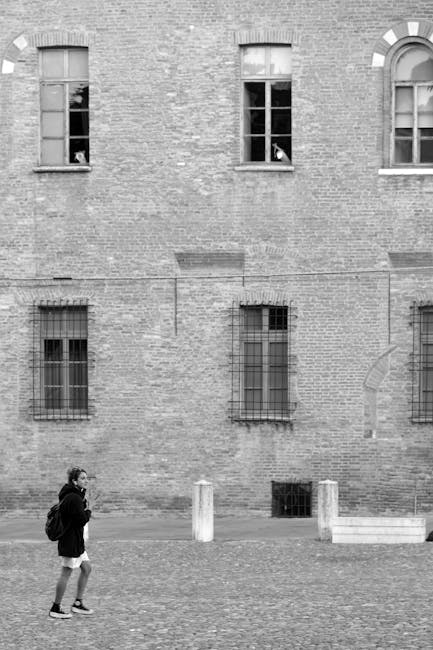
- Explore the historic center of the city, including the Piazza Sordello and the Piazza Erbe.
Afternoon:
- Visit the Teatro Bibiena, a historic theater that hosts a variety of cultural events and performances throughout the year.
- Stop by the Museo Civico, a museum that features a range of artifacts and exhibits on the history and culture of Mantua.
- End the day with a stroll along the lakeside promenade, taking in the beautiful views of the city and its surroundings.
Full Day Tour Plan
For a full-day tour of Mantua, consider the following itinerary:
Morning:
- Start at the Palazzo Ducale, a stunning Renaissance palace that was once the residence of the Gonzaga family.
- Visit the Basilica of Sant'Andrea, a beautiful church that features an impressive dome designed by Leon Battista Alberti.
- Explore the historic center of the city, including the Piazza Sordello and the Piazza Erbe.
Lunch:
- Take a break for lunch at one of the city's many restaurants, trying some of the local specialties such as tortelli di zucca or mostarda.
Afternoon:
- Visit the Teatro Bibiena, a historic theater that hosts a variety of cultural events and performances throughout the year.
- Stop by the Museo Civico, a museum that features a range of artifacts and exhibits on the history and culture of Mantua.
- Explore the city's many shops and boutiques, looking for unique souvenirs and gifts.
Evening:
- End the day with a stroll along the lakeside promenade, taking in the beautiful views of the city and its surroundings.
- Enjoy a traditional dinner at one of the city's many restaurants, trying some of the local wines and cuisine.
3 Day Itinerary
For a 3-day itinerary in Mantua, consider the following plan:
Day 1: Historic Core
- Start at the Palazzo Ducale, a stunning Renaissance palace that was once the residence of the Gonzaga family.
- Visit the Basilica of Sant'Andrea, a beautiful church that features an impressive dome designed by Leon Battista Alberti.
- Explore the historic center of the city, including the Piazza Sordello and the Piazza Erbe.
Day 2: Museums and Culture
- Visit the Museo Civico, a museum that features a range of artifacts and exhibits on the history and culture of Mantua.
- Stop by the Teatro Bibiena, a historic theater that hosts a variety of cultural events and performances throughout the year.
- Explore the city's many shops and boutiques, looking for unique souvenirs and gifts.
Day 3: Nearby Attractions
- Take a day trip to the nearby town of Sabbioneta, a charming Renaissance town that is a UNESCO World Heritage Site.
- Visit the Parco del Mincio, a beautiful park that features a range of walking trails, gardens, and scenic views.
- Return to Mantua in the evening, enjoying a traditional dinner and a stroll along the lakeside promenade.
Distances from Major Cities
| City | Distance (km) | Travel Time (train/car) |
|---|---|---|
| Rome | 450 | 4 hours by train, 5 hours by car |
| Milan | 120 | 1.5 hours by train, 2 hours by car |
| Florence | 250 | 2.5 hours by train, 3.5 hours by car |
| Venice | 200 | 2 hours by train, 3 hours by car |
| Naples | 550 | 5 hours by train, 6 hours by car |
| Bologna | 100 | 1 hour by train, 1.5 hours by car |
Nearest Airport
The nearest airport to Mantua is the Verona Villafranca Airport (VRN), which is located approximately 30 km from the city center. The airport is served by a range of airlines, including Alitalia, Ryanair, and EasyJet, and offers flights to destinations throughout Europe and beyond.
To get to Mantua from the airport, visitors can take a taxi or bus, or rent a car. The journey takes approximately 30-40 minutes by car, depending on traffic.
Culture & Lifestyle
Mantua is a city with a rich cultural heritage, and visitors can experience the local lifestyle by attending one of the many festivals and events that take place throughout the year. The city is also home to a range of museums, galleries, and historical landmarks, and visitors can explore the city's many shops and boutiques, looking for unique souvenirs and gifts.
Some tips for visitors:
- Respect the local customs and traditions, especially when visiting churches and historical landmarks.
- Try some of the local cuisine, including tortelli di zucca and mostarda.
- Explore the city's many walking trails and scenic views, taking in the beautiful landscapes and architecture.
Nearby Places
Some nearby places to visit include:
- Sabbioneta, a charming Renaissance town that is a UNESCO World Heritage Site.
- Parma, a city known for its delicious cuisine, including parmesan cheese and prosciutto.
- Verona, a city famous for its romantic atmosphere and stunning architecture.
- Lake Garda, a beautiful lake that offers a range of outdoor activities, including swimming, hiking, and boating.
FAQ
Some frequently asked questions about Mantua include:
- What is the best time to visit Mantua? The best time to visit Mantua is during the spring and autumn months, when the weather is mild and pleasant.
- How many days do I need to visit Mantua? Visitors can see the main sights of Mantua in 2-3 days, but 4-5 days is recommended to fully experience the city and its surroundings.
- Is Mantua expensive? Mantua is a relatively affordable city, with a range of accommodation options and dining choices to suit all budgets.
- Is Mantua safe for tourists? Yes, Mantua is a safe city for tourists, with low crime rates and a strong police presence.
Contact us to plan a tour, hotel, car rental or services in Mantua (Mantova)