 |
History of Italy – A Chronological Timeline
Italy has one of the richest and most influential histories in the world. From prehistoric settlements and the rise of the Roman Empire to the Renaissance and the creation of the modern Italian state, the Italian peninsula has played a major role in shaping European civilization.
Prehistoric Italy (5000 BC – 900 BC)
5000 BC – 2000 BC
Early farming communities appear across the Italian peninsula. Archaeological evidence shows the development of villages, pottery, and early trade networks.
2000 BC – 1200 BC
Bronze Age civilizations develop across Italy. Early fortified settlements and metalworking become common.
1200 BC – 900 BC
Iron Age cultures appear, including early tribes such as the Latins, Sabines, and Samnites.
The Etruscan and Early Italian Civilizations (900 BC – 509 BC)
900 BC – 700 BC
The Etruscan civilization flourishes in central Italy, particularly in modern Tuscany.
753 BC
Traditional founding date of Rome, associated with the legendary brothers Romulus and Remus.
700 BC – 500 BC
Greek colonies are established in southern Italy and Sicily, known as Magna Graecia.
The Roman Republic (509 BC – 27 BC)
509 BC
Rome becomes a republic after the overthrow of the last Roman king.
264 BC – 146 BC
The Punic Wars between Rome and Carthage determine control of the Mediterranean.
Important People
Julius Caesar, Scipio Africanus, Hannibal, Cicero.
44 BC
Julius Caesar is assassinated in Rome, leading to civil war.
The Roman Empire (27 BC – 476 AD)
27 BC
Augustus becomes the first Roman Emperor, marking the beginning of the Roman Empire.
1st – 2nd Century AD
The empire reaches its greatest extent, covering much of Europe, North Africa and the Middle East.
Important People
Augustus, Nero, Trajan, Hadrian, Marcus Aurelius.
313 AD
Emperor Constantine legalizes Christianity.
476 AD
Fall of the Western Roman Empire.
The Middle Ages (500 – 1400)
6th – 8th Century
Italy is ruled by various powers including the Byzantines and the Lombards.
800 AD
Charlemagne is crowned Holy Roman Emperor in Rome.
1000 – 1300
Italian city-states such as Venice, Florence, Genoa and Milan become powerful trading centers.
The Renaissance (1300 – 1600)
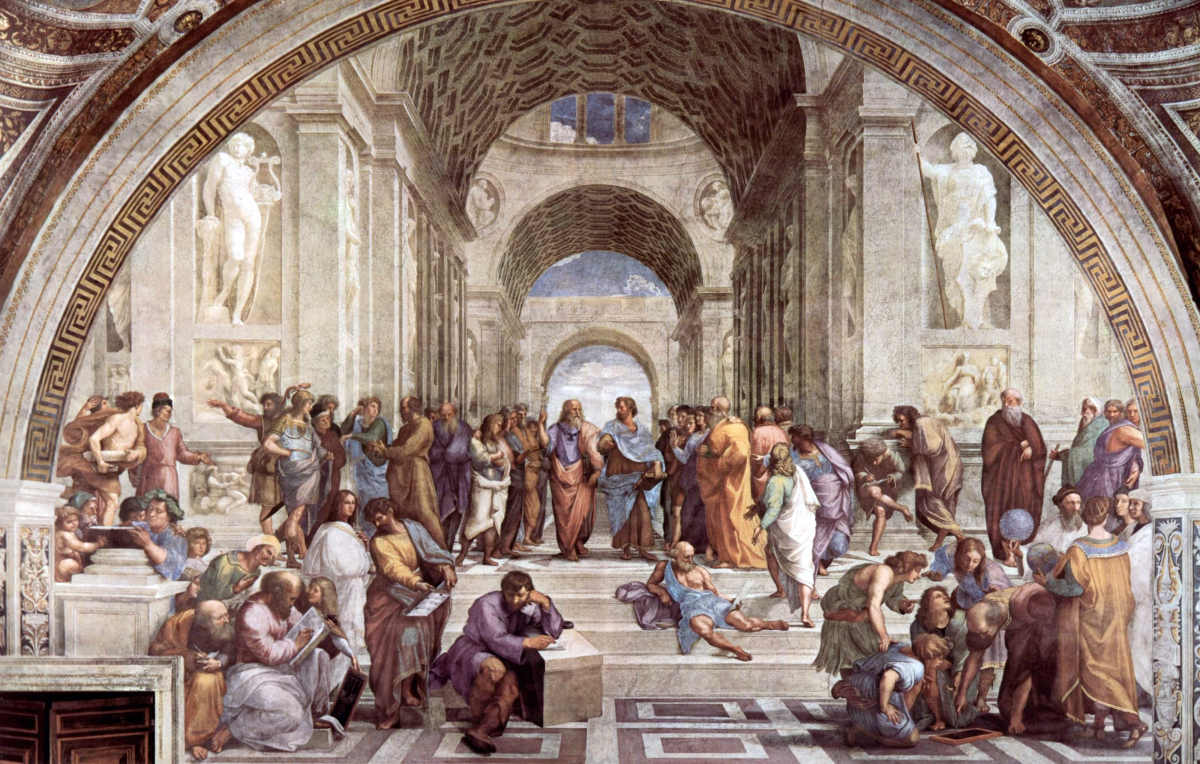
The Renaissance begins in Italy and spreads across Europe. It marks a period of artistic, scientific and intellectual revival.
Important People
Leonardo da Vinci, Michelangelo, Raphael, Dante Alighieri, Niccolò Machiavelli.
Florence becomes the center of Renaissance art under the patronage of the Medici family.
Foreign Rule and Fragmentation (1600 – 1800)
During this period Italy remains divided into multiple states, often influenced or controlled by foreign powers such as Spain, France and Austria.
Napoleon Bonaparte conquers much of Italy in the late 18th century, spreading revolutionary ideas.
Italian Unification (Risorgimento) – 1800s
In the 19th century a movement for national unity begins.
Important People
Giuseppe Garibaldi, Count Camillo di Cavour, Giuseppe Mazzini, King Victor Emmanuel II.
1861
The Kingdom of Italy is officially proclaimed.
1870
Rome becomes the capital of unified Italy.
World Wars and Modern Italy (1900 – Present)
1915 – 1918
Italy participates in World War I on the side of the Allies.
1922
Benito Mussolini establishes a Fascist government.
1940 – 1945
Italy participates in World War II alongside Nazi Germany before switching sides in 1943.
1946
Italy becomes a republic after a national referendum.
1950s – 1960s
The "Italian Economic Miracle" transforms Italy into a major industrial economy.
1993
Major political reforms follow corruption scandals.
2002
Italy adopts the Euro as its currency.
Today
Italy is a democratic republic, a founding member of the European Union, and one of the world's most visited tourist destinations known for its art, culture, cuisine and historic cities.
Conclusion
From the ancient Romans to the Renaissance masters and modern European leadership, Italy's history spans thousands of years of cultural achievement, political change and global influence. Visitors exploring Italy today walk through layers of history that shaped not only Europe but much of the modern world.