Train or Rental Car in Italy – Honest Advice
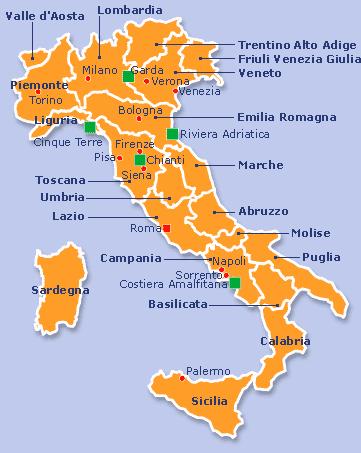
Most visitors to Italy get this question wrong before they even book. Some rent a car for an entire trip that doesn’t need one. Others skip the car completely for a trip that absolutely does. Both mistakes waste money, time, and sometimes lead to a surprise fine months later. The real answer is simple: it depends entirely on your itinerary.
Trains Are Best for City Travel
Italy has one of Europe’s best high‑speed rail networks. The Frecciarossa connects major cities at speeds up to 300 km/h. Rome to Florence takes just 1 hour 20 minutes. Milan to Rome is just over three hours. You arrive in the city center, step off the train, and walk or take the metro to your hotel. Tickets booked in advance start around €20, and even last‑minute fares are rarely more than €50.
Compare that to renting a car: fuel, tolls, parking fees of €25–40 per day, and the risk of a ZTL fine of €80–300 for entering restricted zones. For trips built around Rome, Florence, Venice, Naples, Milan, or Bologna, the train is faster, cheaper, and stress‑free.
Where Trains Fall Short
The high‑speed network connects big cities perfectly, but not the countryside. If your trip includes Tuscan hill towns like Montepulciano, Pienza, or Volterra, trains stop in Florence or Siena and go no further. Regional trains exist but are slow and infrequent. A 20‑minute drive can take two hours by train and bus.
The same is true in Puglia. Bari and Lecce are reachable by train, but towns in the Itria Valley — Alberobello, Locorotondo, Cisternino — are ten minutes apart by car and an hour or more apart by bus. Sicily, Umbria’s small towns, the Amalfi hinterland, and Sardinia all reward travelers with a car. Without one, you miss half the experience.
The ZTL Problem
Every historic center in Italy has a ZTL (Zona Traffico Limitato), a restricted traffic zone monitored by cameras. Drive into one without authorization and you’ll get a fine of €80–300 per entry. The rental company charges your card for passing your details to police, and the fine arrives at your home weeks or months later. Navigation apps often route you straight through ZTL zones without warning.
The rule: never drive a rental car into city centers. Park outside the ZTL and walk or use public transit. If your hotel is inside a ZTL, call ahead — they can register your plate for access to their street only.
When a Car Belongs on Your Trip
Used correctly, a rental car is one of Italy’s greatest travel experiences. Driving through Tuscany’s Val d’Orcia, stopping at medieval villages, or exploring the Amalfi Coast on a quiet morning gives you freedom no train can match. In Puglia, towns are minutes apart by car but hours apart by bus. In Sicily, a car is essential to see baroque towns, coastal roads, and hidden villages.
The car opens up agriturismos, countryside stays, and beaches unreachable by train. It lets you sleep in hill towns before the day‑trippers arrive. For Sardinia, Calabria, and Umbria’s deeper countryside, a car is the only way to truly explore.
How to Plan Your Own Trip
If your trip is Rome, Florence, and Venice: take the train. No car needed. If your trip is Rome plus Tuscany: train to Florence, rent a car outside the center, drive the countryside, return the car before Venice. For Puglia: rent a car at Bari airport. For Sicily: rent a car as soon as you land. For Tuscany day trips: use trains for Siena, Pisa, Lucca, and Arezzo, but rent a car for Val d’Orcia and beyond.
Automatic Cars and EVs
Most rental cars in Italy are manual. If you need an automatic, book weeks in advance — they are limited and cost more. Electric cars are available and work well for city‑to‑city trips, but charging in rural areas is unreliable. Hybrids are a safer choice for countryside travel.
The Honest Summary
Take the train between Italy’s major cities. Rent a car for countryside, islands, and smaller towns. Never drive into historic centers without checking ZTL rules. Used together, trains and cars cover everything Italy offers. Used separately, each one leaves half the country out of reach.
Exotic Italy is dedicated to helping travelers plan smarter trips with honest advice. Learn more at https://exoticitaly.com.