Livorno, Italy

Introduction
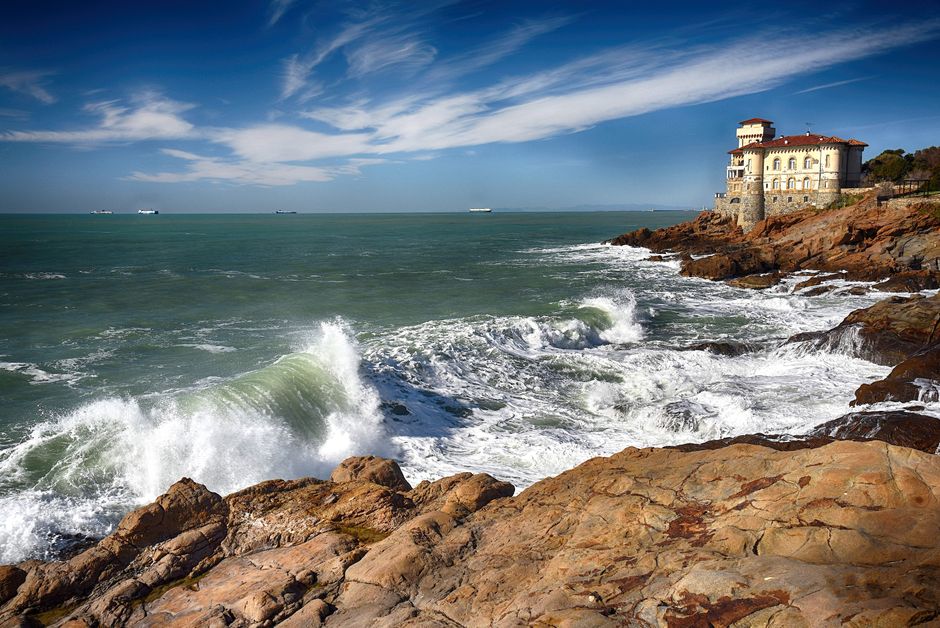
Livorno, a charming coastal city in Tuscany, Italy, is a hidden gem waiting to be explored. With its rich history, stunning architecture, and delicious seafood, Livorno is a must-visit destination for any traveler. From its picturesque waterfront to its vibrant markets, Livorno has something to offer for everyone.
History
Livorno has a long and fascinating history, dating back to the 16th century. The city was founded by the Medici family and was designed to be a fortified port city. Over the centuries, Livorno has been ruled by various powers, including the French and the Austrians, each leaving their mark on the city's architecture and culture. Today, Livorno is a thriving city with a rich cultural heritage and a strong sense of identity.
Top Attractions
Some of the top attractions in Livorno include the Fortezza Vecchia, a 16th-century fortress that now houses a museum, and the Cattedrale di San Francesco, a beautiful church with stunning stained-glass windows. The city is also home to the Museo Civico Giovanni Fattori, which features an impressive collection of art and artifacts. The waterfront, known as the "New Venice," is also a must-visit, with its picturesque canals and historic buildings.
Local Food
Livorno is renowned for its delicious seafood, and visitors can enjoy a wide range of dishes, from fresh fish to seafood risotto. The city is also famous for its "cacciucco," a hearty fish stew that is a must-try. Other local specialties include "panzanella," a bread-based salad, and "castagnaccio," a chestnut flour cake. Be sure to wash it all down with a glass of wine from the nearby vineyards.
Hotels
Livorno has a wide range of hotels to suit all budgets, from luxury resorts to budget-friendly guesthouses. Some popular options include the Hotel Palazzo, a luxurious hotel located in the heart of the city, and the Hotel Navy, a budget-friendly option with comfortable rooms and a great location. Visitors can also consider staying in nearby towns, such as Pisa or Florence, and taking a day trip to Livorno.
Travel Tips
Getting around Livorno is easy, with a comprehensive public transportation system and plenty of taxis and rental cars available. Visitors should be sure to try some of the local cuisine, including the seafood and wine, and to explore the city's many markets and shops. Be sure to also visit the nearby towns and villages, such as Bolgheri and Castagneto Carducci, which offer a glimpse into traditional Tuscan life.
Contact us to plan a tour, hotel, car rental or services in Livorno
Best Time to Visit
The best time to visit Livorno is in the spring and summer, when the weather is warm and sunny. The spring months, from April to June, are ideal for visiting, with mild temperatures and fewer crowds. The summer months, from July to September, are peak tourist season, with warm weather and a lively atmosphere. The autumn months, from October to November, are also a great time to visit, with comfortable temperatures and a range of festivals and events. The winter months, from December to March, are the coolest and quietest, but still offer a range of activities and attractions.
Crowd levels are highest in the summer, with July and August being the busiest months. Prices for accommodations and tourist attractions are also higher during this time. The spring and autumn months offer a more relaxed atmosphere and lower prices, making them a great time to visit for those on a budget.
Recommended months to visit: April, May, June, September, and October.
Half Day Tour Plan
Morning plan: Start the day at the Fortezza Vecchia, a 16th-century fortress that now houses a museum. From there, walk to the Cattedrale di San Francesco, a beautiful church with stunning stained-glass windows. Next, visit the waterfront, known as the "New Venice," and take a stroll along the canals. End the morning with a delicious seafood lunch at one of the many restaurants in the area.
Afternoon plan: Spend the afternoon exploring the city's many markets and shops, including the historic Mercato Centrale. Be sure to try some of the local specialties, such as "cacciucco" and "panzanella." End the day with a visit to the Museo Civico Giovanni Fattori, which features an impressive collection of art and artifacts.
Full Day Tour Plan
Morning: Start the day at the Fortezza Vecchia, a 16th-century fortress that now houses a museum. From there, walk to the Cattedrale di San Francesco, a beautiful church with stunning stained-glass windows. Next, visit the waterfront, known as the "New Venice," and take a stroll along the canals.
Lunch: Take a break for lunch at one of the many restaurants in the area, and be sure to try some of the local seafood specialties.
Afternoon: Spend the afternoon exploring the city's many markets and shops, including the historic Mercato Centrale. Be sure to try some of the local specialties, such as "cacciucco" and "panzanella." Visit the Museo Civico Giovanni Fattori, which features an impressive collection of art and artifacts.
Evening: End the day with a visit to the historic center, where you can enjoy a range of restaurants, bars, and cafes. Be sure to try some of the local wine and seafood, and take in the lively atmosphere.
3 Day Itinerary
Day 1: Historic core / old town
Morning: Start the day at the Fortezza Vecchia, a 16th-century fortress that now houses a museum. From there, walk to the Cattedrale di San Francesco, a beautiful church with stunning stained-glass windows. Next, visit the waterfront, known as the "New Venice," and take a stroll along the canals.
Afternoon: Spend the afternoon exploring the city's many markets and shops, including the historic Mercato Centrale. Be sure to try some of the local specialties, such as "cacciucco" and "panzanella."
Day 2: Museums + culture + food
Morning: Visit the Museo Civico Giovanni Fattori, which features an impressive collection of art and artifacts. Next, visit the Museo di Storia Naturale del Mediterraneo, which features a range of exhibits on the natural history of the Mediterranean.
Afternoon: Spend the afternoon exploring the city's many cultural attractions, including the Teatro Goldoni, a historic theater that hosts a range of performances. Be sure to try some of the local cuisine, including seafood and wine.
Day 3: Nearby attractions or relaxing day
Morning: Take a day trip to the nearby town of Pisa, famous for its leaning tower. Alternatively, spend the morning relaxing at one of the city's many beaches, such as the Spiaggia del Romito.
Afternoon: Spend the afternoon exploring the city's many parks and gardens, including the Parco di Villa Fabbricotti. Be sure to try some of the local specialties, such as "castagnaccio," a chestnut flour cake.
Distances from Major Cities
| City | Distance (km) | Travel Time (train/car) |
|---|---|---|
| Rome | 280 | 3 hours by train, 4 hours by car |
| Milan | 340 | 4 hours by train, 5 hours by car |
| Florence | 80 | 1.5 hours by train, 2 hours by car |
| Venice | 260 | 3.5 hours by train, 4.5 hours by car |
| Naples | 430 | 5 hours by train, 6 hours by car |
| Bologna | 210 | 2.5 hours by train, 3.5 hours by car |
Nearest Airport
The nearest airport to Livorno is the Pisa International Airport (PSA), which is located approximately 20 km from the city center. The airport is served by a range of airlines, including Alitalia, Ryanair, and EasyJet. From the airport, visitors can take a taxi or bus to the city center, or rent a car and drive.
Culture & Lifestyle
Local traditions include the "cacciucco" festival, which takes place in September, and the "festa della Madonna del Soccorso," which takes place in July. Visitors should also be sure to try some of the local specialties, such as seafood and wine.
Behavior tips: Visitors should be respectful of the local culture and traditions, and should dress modestly when visiting churches or other cultural attractions. It is also customary to greet people with a handshake or a kiss on the cheek, and to use formal titles such as "signore" or "signora" when addressing older people.
Nearby Places
Some recommended nearby destinations include:
- Pisa, famous for its leaning tower
- Florence, known for its stunning art and architecture
- Siena, a charming medieval town with a rich cultural heritage
- Volterra, a historic town with a range of cultural attractions
- Elba Island, a beautiful island with stunning beaches and a range of outdoor activities
FAQ
Q: What is the best time to visit Livorno?
A: The best time to visit Livorno is in the spring and summer, when the weather is warm and sunny.
Q: How many days do I need to visit Livorno?
A: We recommend spending at least 3-4 days in Livorno to get a good sense of the city and its surroundings.
Q: Is Livorno expensive?
A: Livorno is generally affordable, with a range of accommodation options and restaurants to suit all budgets.
Q: Is Livorno safe for tourists?
A: Yes, Livorno is a safe city for tourists, with low crime rates and a strong police presence.
Contact us to plan a tour, hotel, car rental or services in Livorno