 |
Best Time to Visit Southern Italy: Weather, Crowds and Prices
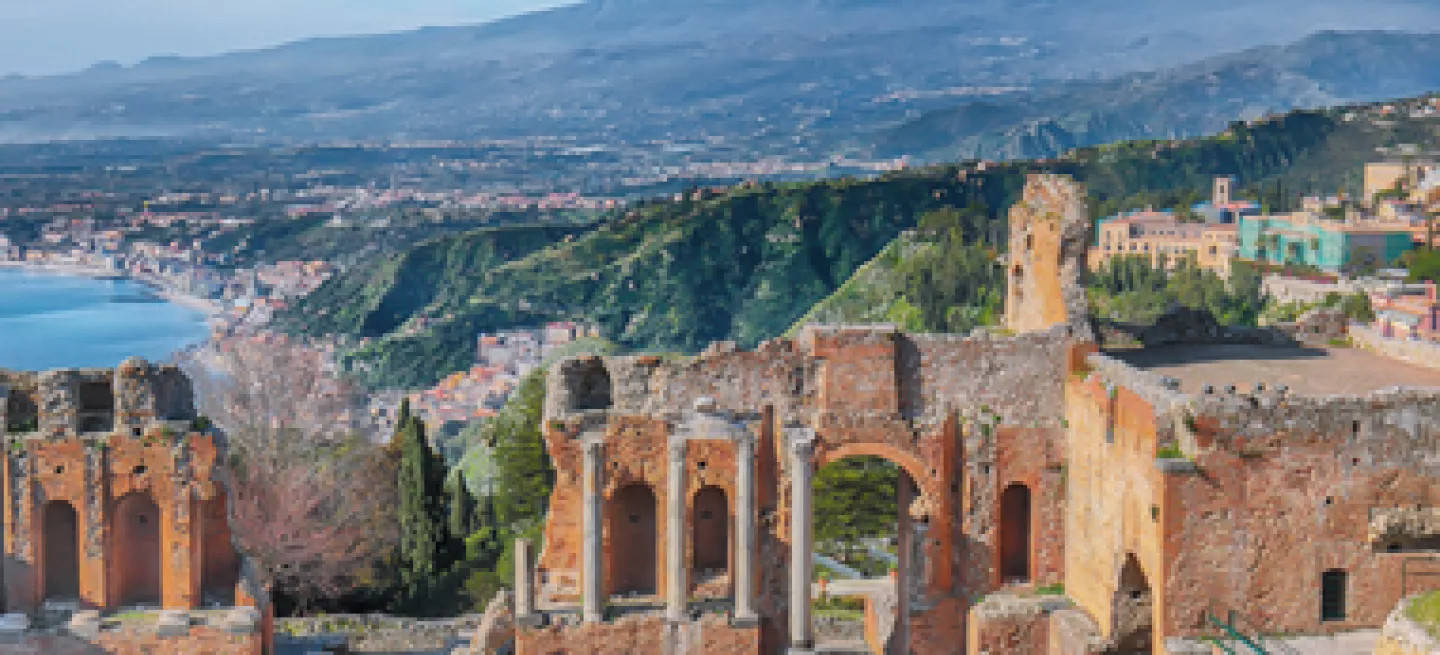
Southern Italy is famous for its spectacular coastline, historic cities, picturesque villages, delicious cuisine, and warm Mediterranean climate. Destinations such as Naples, the Amalfi Coast, Capri, Sicily, Puglia, Calabria, and Basilicata attract millions of visitors every year. However, choosing the right time to visit can greatly affect your travel experience. Weather, accommodation prices, and tourist numbers vary significantly throughout the year.
Spring (March to May): One of the Best Times to Visit
Spring is widely regarded as one of the finest seasons to explore Southern Italy. Temperatures become pleasantly warm without reaching the intense summer heat. Flowers bloom across the countryside, citrus groves are fragrant, and coastal towns become lively without feeling overcrowded.
Average daytime temperatures range from 15°C in March to around 25°C in late May. Rainfall decreases steadily as summer approaches, making sightseeing comfortable.
Hotels generally offer better prices than during the summer months, restaurants are less crowded, and attractions can be enjoyed at a relaxed pace. Hiking trails along the Amalfi Coast are particularly beautiful during spring.
Summer (June to August): Peak Tourist Season
Summer is the busiest period in Southern Italy. Beaches are at their best, the sea is warm for swimming, and numerous festivals take place across the region.
However, this popularity comes with several disadvantages.
Temperatures frequently exceed 35°C, especially inland and in cities like Naples. The Amalfi Coast, Capri, Positano, Taormina, and many Sicilian resorts become extremely crowded. Long queues, packed beaches, and congested roads are common during July and August.
Accommodation prices often double compared to spring or autumn. Restaurants may require reservations weeks in advance, while ferry tickets between islands often sell out quickly.
If you enjoy lively nightlife and beach holidays, summer is an excellent choice. If your main goal is sightseeing, another season may provide a more enjoyable experience.
Autumn (September to October): The Hidden Gem
Many experienced travelers consider early autumn the perfect time to visit Southern Italy.
The Mediterranean Sea remains warm after the summer, making swimming enjoyable well into October. Temperatures usually range between 22°C and 30°C, offering ideal conditions for exploring cities, archaeological sites, vineyards, and coastal villages.
Tourist numbers decline significantly after schools reopen across Europe. Hotels begin reducing their prices, flights become cheaper, and restaurants are easier to book.
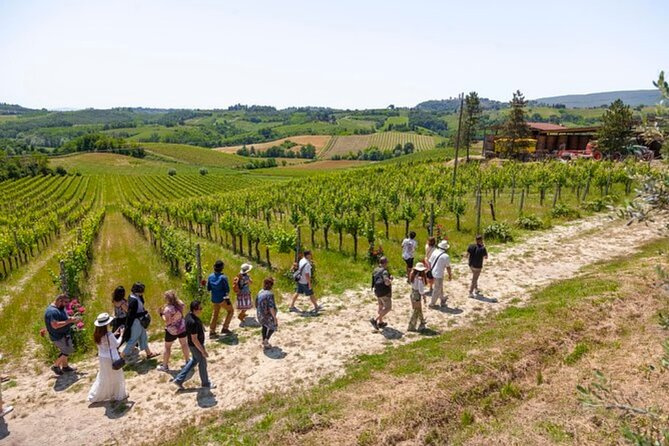
Harvest festivals celebrating grapes, olives, chestnuts, and local wines take place throughout Southern Italy, giving visitors an authentic cultural experience.
Winter (November to February)
Winter in Southern Italy is relatively mild compared to Northern Europe. Coastal cities rarely experience freezing temperatures, although rainfall becomes more frequent.
Average daytime temperatures range from 10°C to 18°C depending on the region.
While beach holidays are no longer practical, winter is an excellent season for exploring museums, ancient ruins, churches, and historic city centers. Accommodation prices are often at their lowest, making winter attractive for budget-conscious travelers.
Christmas markets, festive decorations, and local celebrations create a charming atmosphere, particularly in Naples, famous for its traditional nativity scenes.
When Are Prices Highest?
The most expensive period is from mid-June until the end of August. Accommodation, rental cars, ferries, and flights often reach their highest prices during this period.
Italian national holidays and Easter can also lead to temporary price increases, especially in popular tourist destinations.
Travelers looking to save money should consider visiting during April, May, late September, or October when prices are considerably lower while weather remains excellent.
Avoiding Overcrowding
If you wish to avoid large crowds, avoid visiting famous destinations such as Positano, Amalfi, Capri, Taormina, or Cinque Terre during July and August.
Instead, consider travelling during:
- Late April
- May
- September
- Early October
These months provide comfortable temperatures, easier transportation, shorter queues, and a far more relaxed atmosphere.
Regional Differences
Amalfi Coast: Beautiful from April through October, but extremely crowded in July and August.
Naples: Pleasant during spring and autumn. Summer can be very hot and humid.
Sicily: Warm nearly all year. Spring and autumn offer the best combination of weather and manageable crowds.
Puglia: Excellent from May through October. Beaches remain enjoyable well into autumn.
Calabria: One of Italy's least crowded coastal regions, ideal during June and September.
Basilicata: Matera is comfortable for sightseeing during spring and autumn, avoiding the intense summer heat.
Our Recommendation
For most visitors, the best months to explore Southern Italy are May, June, September, and early October. These months combine pleasant temperatures, affordable accommodation, fewer tourists, and excellent opportunities for sightseeing, hiking, swimming, and enjoying authentic Italian cuisine.
If your priority is beaches and nightlife, July and August may suit your plans despite higher prices and crowds. Budget travelers and culture enthusiasts will often find spring and autumn far more rewarding.
Conclusion
Southern Italy is a destination that can be enjoyed throughout the year, but choosing the right season can dramatically improve your travel experience. By avoiding the busiest summer weeks and travelling during the shoulder seasons, visitors can enjoy beautiful weather, lower prices, and a more authentic glimpse of Italian life. Whether wandering the narrow streets of Naples, relaxing on the Amalfi Coast, discovering ancient Greek temples in Sicily, or exploring the whitewashed villages of Puglia, timing your visit wisely will make your journey even more memorable.