 |
Voluntourism: A Critical Look at One of the Fastest Growing Travel Trends

Adapted from an article by José Luis Perelló
The travel trend known as voluntourism—a combination of volunteering and tourism—refers to short-term trips during which travelers participate in community, educational, environmental, or humanitarian projects while also enjoying traditional tourism activities.
Although relatively new, voluntourism emerged during the 1990s as a blend of international volunteering and ecotourism. The concept allows travelers to spend part of their vacation contributing to development projects in economically disadvantaged regions, while also experiencing local culture, nature, and heritage attractions.
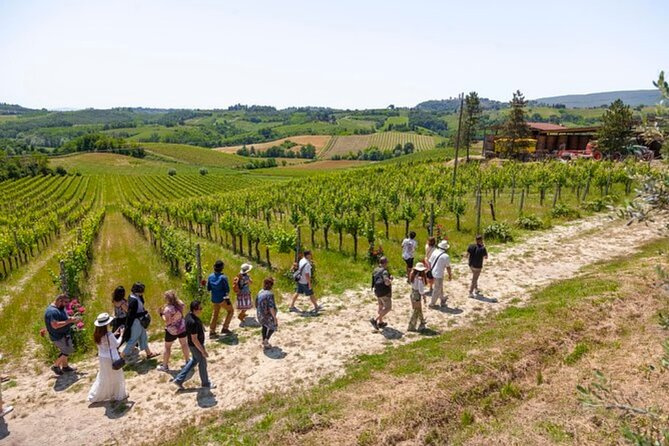
Today, voluntourism has become one of the most popular forms of purpose-driven travel. Rather than simply visiting destinations, travelers actively participate in initiatives that seek to improve local communities and contribute to sustainable development.
What Makes Voluntourism Different?
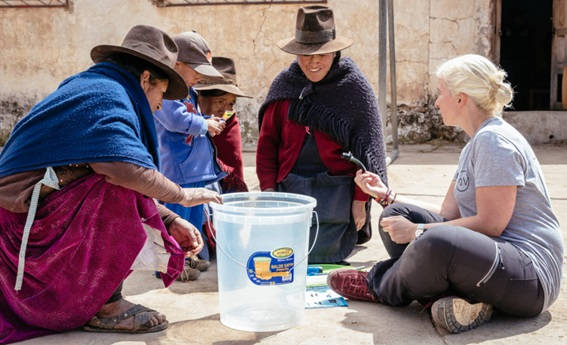
Unlike traditional tourism, voluntourism encourages visitors to become active participants rather than passive consumers. Projects may involve teaching languages, assisting in conservation efforts, supporting community health initiatives, helping with housing construction, or contributing to local development programs.
The goal is to create a balance between tourism experiences and social contribution, fostering meaningful interactions between travelers and host communities. Thousands of travelers worldwide now combine their holidays with volunteer activities, seeking cultural exchange while making a positive impact.

The Benefits of Voluntourism
At first glance, voluntourism appears beneficial for everyone involved. Local communities may receive assistance and resources, travel companies generate economic activity, and participants enjoy rewarding experiences while learning about different cultures.
Many voluntourists report that direct involvement in community projects provides a deeper understanding of local realities and creates authentic cultural connections. Voluntourism is closely linked to sustainable tourism because it promotes responsible travel practices, encourages local economic participation, and often supports environmental conservation.
The Ethical Debate
Despite its popularity, voluntourism has also attracted significant criticism from sociologists, development experts, and humanitarian organizations.
Critics argue that some programs prioritize the traveler's experience over the actual needs of local communities. In some cases, projects are designed more as marketable tourism products than as long-term development solutions.
Experts emphasize that ethical voluntourism requires transparency, community involvement, and projects that genuinely address local priorities. Responsible programs should focus on sustainable outcomes rather than short-term interventions.
Concerns About Stereotypes and Dependency
One criticism frequently directed at voluntourism is that it may unintentionally reinforce stereotypes about developing countries. Stories, photographs, and social media posts sometimes portray host communities primarily through the lens of poverty, creating simplistic narratives that divide the world into "helpers" and "those being helped."
Some researchers argue that this dynamic can perpetuate outdated perceptions of developing nations while positioning visitors from wealthier countries as rescuers. Such representations risk oversimplifying complex social realities and can unintentionally reinforce cultural and economic inequalities.
Colonial and Neoliberal Critiques
Another common criticism is that voluntourism can reproduce colonial-era attitudes. According to some scholars, the industry sometimes portrays developing countries as places in constant need of outside intervention, while presenting visitors as agents of positive change.
Others link voluntourism to broader neoliberal trends in which private organizations and commercial enterprises increasingly take on roles traditionally associated with governments and public institutions. Critics argue that charitable experiences can sometimes become commercial products designed primarily to generate profits.
These debates do not necessarily invalidate voluntourism, but they highlight the importance of careful planning, ethical partnerships, and genuine community participation.
Responsible Voluntourism
Travelers interested in volunteer tourism should carefully research organizations, understand the long-term impact of projects, and ensure that local communities are actively involved in decision-making. Responsible voluntourism should prioritize local needs, build local capacity, and create sustainable benefits that continue after visitors leave.
Whether focused on environmental conservation, education, heritage preservation, or community development, volunteer tourism can offer meaningful opportunities when conducted responsibly and ethically.
Pakistan and the Future of Community-Based Tourism
Pakistan is increasingly attracting travelers interested in meaningful cultural experiences, community interaction, and sustainable tourism. While traditional voluntourism remains relatively small compared to destinations in Africa or Latin America, Pakistan offers unique opportunities for travelers seeking authentic engagement with local communities.
Visitors can participate in cultural exchange programs, heritage preservation initiatives, environmental awareness projects, mountain conservation activities, educational programs, and community-based tourism ventures in Gilgit-Baltistan, Chitral, Hunza, Skardu, Swat, Punjab and rural Sindh.
These experiences allow visitors to gain a deeper understanding of Pakistan's diverse cultures while supporting local economies and promoting intercultural understanding. Community-based tourism projects in remote areas often provide direct economic benefits to local families through homestays, guiding services, handicrafts, and locally operated tourism enterprises.
Travel & Culture Services Pakistan and International Partnerships
Travel & Culture Services Pakistan, operating through www.travel-culture.com, has been actively promoting responsible tourism and cultural exchange programs throughout Pakistan. The company works with international travel partners, including Spanish tour operators, to create immersive travel experiences that connect visitors with local communities, cultural heritage, and sustainable tourism initiatives.
Through carefully designed itineraries, travelers can explore Pakistan's archaeological treasures, mountain communities, traditional crafts, historic cities, living cultural traditions, and UNESCO World Heritage sites while contributing to local economic development and fostering mutual understanding between cultures.
As travelers increasingly seek meaningful journeys rather than conventional sightseeing alone, Pakistan is well positioned to become an important destination for responsible tourism, cultural exchange, and community-centered experiences.
Voluntourism remains one of the most debated travel trends of the 21st century. Supporters view it as a powerful tool for cultural understanding and sustainable development, while critics warn against unintended social and economic consequences. The future of voluntourism depends largely on how responsibly programs are designed and how closely they align with the genuine needs of host communities. When implemented ethically, volunteer tourism can create valuable experiences for travelers while generating long-term benefits for local populations.
Source: Adapted and translated from the Spanish article "Especial TTC – Tendencias de viajes: una mirada crítica al volunturismo" by José Luis Perelló.