 |
Before You Travel to Italy:
What Can Go Wrong (and how to avoid it)
Italy is easy to love, but small mistakes can cost you money, waste half a day, or derail your plans. The problems aren’t dramatic — that’s exactly why they catch people out. Nobody thinks about a bus ticket, a museum closing day, a tiny traffic sign, or a holiday weekend until it becomes their problem.
Here’s what I wish someone had told me before landing. Save this — you may not need every piece, but you’ll be glad you knew at least one of them.
🚗 Car rental & driving: ZTLs, fines & airport pickup
- Delayed flight? A prepaid rental car might not wait forever. Contact the office if you’re late — especially if you arrive after closing.
- ZTL (restricted traffic zone): Hundreds of historic centres have camera-monitored zones. No barrier, just a sign. Pass it, and a fine arrives months later. Worse: multiple cameras = multiple fines.
- If your hotel is inside a ZTL, call ahead. Some hotels register your plate for authorised access — but never assume it’s automatic.
🚆 Public transport: tickets, validation & strikes
- Paper bus/tram tickets often need validation on board. Train tickets vary: Freccia (high-speed) is tied to a specific train and seat; regional tickets may need validation or check‑in.
- Don’t copy what the person in front does — check the rules for your ticket.
- Strikes (“sciopero”) are real. Trains, buses, metros, flights, ferries, taxis can be affected. Always check strike calendars before important travel days.
🏛️ Museums, churches & timed tickets
- Timed tickets are appointments, not suggestions. Popular slots sell out days in advance. If your ticket says 10:00, treat it like a flight.
- Check confirmation emails (and spam) the night before — tour times can change due to guide availability.
- Closing days: Italy has no universal museum schedule. Check each attraction individually. Churches are often free but active: cover shoulders and knees (carry a lightweight scarf).
💶 Money, cards & hidden fees
- Tourist tax is normal — charged per person per night, varies by city. Budget for it; it’s not a scam.
- Card terminal: always choose euros, not your home currency — otherwise you accept a poor conversion rate.
- Check foreign transaction fees before you leave. A small % on hotels, restaurants, tickets adds up fast.
📱 Phone, data & roaming
- Don’t switch on mobile data without knowing your roaming plan. eSIM or local SIM is often cheaper than daily international roaming.
- Arrange data before you desperately need Google Maps outside the airport.
🧳 Luggage, shoes & walking
- Pack lighter than you think. Cobblestones, stairs, tiny lifts, short platform changes — every unnecessary kilo becomes real in Florence, Venice or Rome.
- Break in shoes at home. Comfortable, already‑tested footwear will improve your trip more than anything fashionable.
- Don’t try to walk everywhere (especially Rome). Use metro, buses, taxis strategically — save your legs for the places where walking is the experience.
🗺️ Rome: group your days geographically
- Vatican + Castel Sant’Angelo
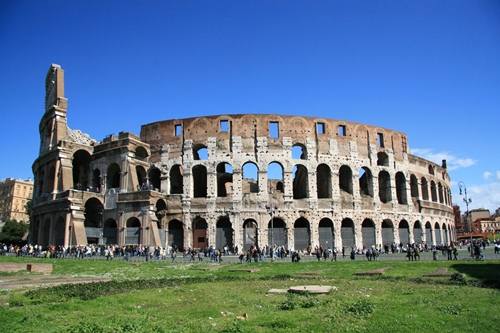
- Colosseum + Forum + Palatine
- Pantheon + Piazza Navona + Trevi + Spanish Steps
- Crossing the city back and forth wastes energy and time.
🚕 Taxis & airport transfers
- Use official taxi stands or apps. Beware of “helpers” at airports offering rides.
- For solo travellers or couples, the Leonardo Express train (Rome–Fiumicino) often beats expensive airport transfers.
📅 Italian holidays & the “ponte” effect
- Public holidays: April 25, May 1, June 2, Ferragosto (Aug 15), Nov 1, Dec 8, Christmas — events, closures, sold‑out trains.
- “Ponte” (bridge): when a holiday falls near a weekend, many Italians take extra days. Hotels fill, trains get busy, restaurants become hard to book.
- Ferragosto (August): many smaller restaurants and businesses close for part of August. Atmosphere and availability change significantly.
✅ None are reasons not to visit — they are reasons to prepare.
Keep passports, phones, wallets, medication secure. Copy documents. Download transport apps before arrival. Save reservations offline. Check tomorrow’s plans every evening — don’t assume everything will work as expected.
❓ Frequent traveller questions
PRO TIP Save this page offline or bookmark it — you’ll thank yourself when something unexpected happens.